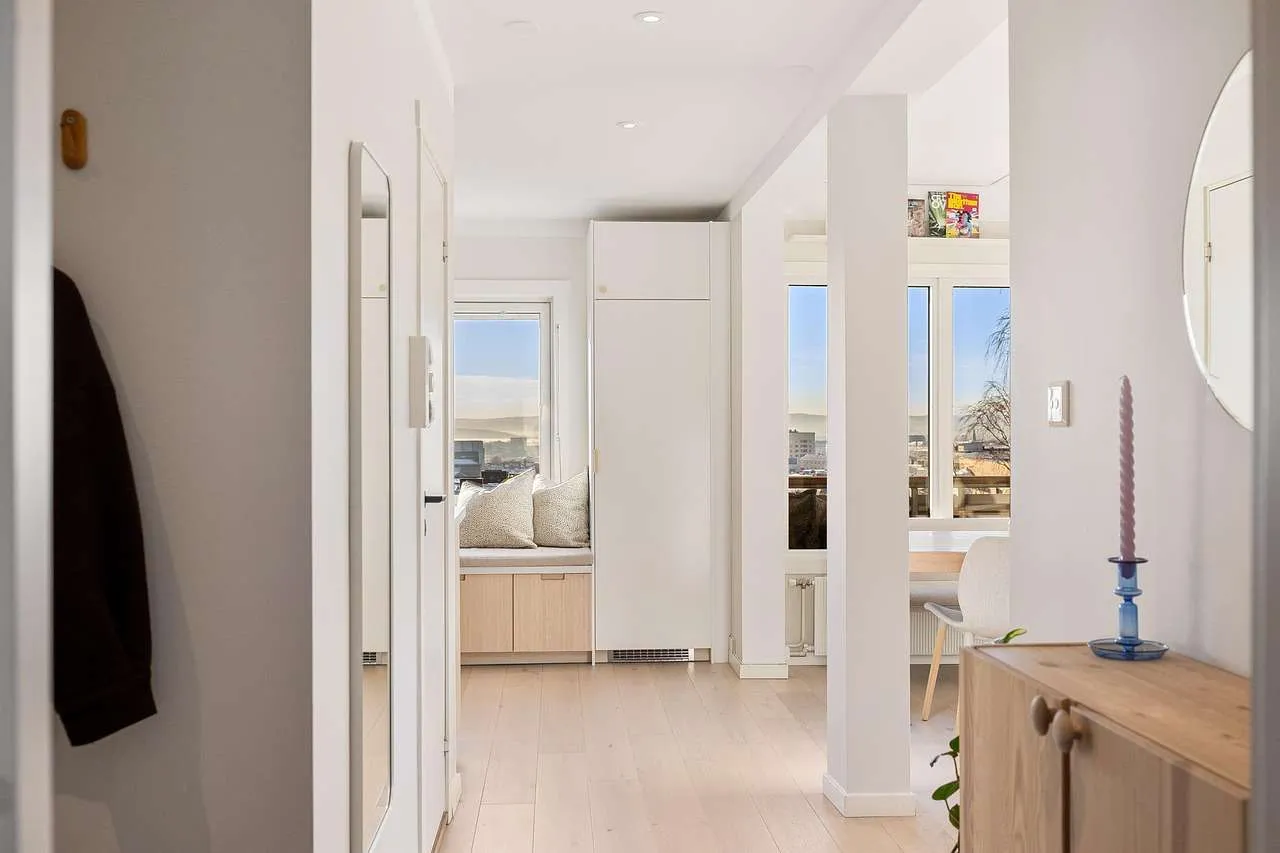
Searching for home window tinting near me? You want local options that improve comfort, privacy, and energy costs. Residential window tinting uses specialized films applied to interior or exterior glass to filter sunlight. This guide explains what to know, how to choose a product, how to work with local installers, and what to expect from the process.
What residential window tinting does for your home
Tinted films block ultraviolet rays up to 99%, reduce glare, and lower solar heat gain. This protects furnishings and helps HVAC systems run more efficiently. The result is a more comfortable living space and potential energy savings year round. In addition, you can achieve daytime privacy with the right shade of tint without sacrificing natural light.
Key benefits
- UV protection to preserve fabrics and artwork
- Energy savings by reducing heat transfer
- Glare reduction for comfort in rooms with screens or large windows
- Increased privacy while maintaining daylight
- Enhanced safety — window films can hold glass together in impact events
Choosing the right film type
There are several film families, each with tradeoffs. For home use, ceramic and carbon films often offer the best balance of appearance, performance, and durability. When comparing options, focus on UV rejection, visible light transmission (VLT), and infrared (IR) rejection.
| Film Type | UV Rejection | VLT | IR Rejection | Pros | Cons |
|---|---|---|---|---|---|
| Dyed | Up to 99% | Varies (20–70%) | Moderate | Low cost, broad color options | Fades over time, color shifts, less durable |
| Metalized | Up to 99% | Low to medium | High | Excellent heat rejection, privacy | Possible interference with signals, reflective glare |
| Ceramic | Up to 99% | Medium to high | Very high | Clear look, strong energy savings, non-metallic | Higher cost |
| Carbon | Up to 99% | Medium | High | Dark look, eco-friendly branding | Mid-to-high cost |
| Reflective/Mirror | Very high | Low | Very high | Excellent privacy, strong heat control | High reflectivity, may violate local rules |
Finding a reputable installer near you
To maximize results when you search for home window tinting near me, evaluate local installers for experience, certifications, and customer feedback. Look for:
- Industry credentials such as IWFA certification or equivalent
- Written warranties on film and labor
- Transparent pricing and clear estimates
- Positive reviews and a track record with residential projects
- Clear explanation of expected daylight, glare, and energy outcomes
What to expect during installation
Most residential tinting projects are completed within a day or two, depending on home size and the number of windows. Typical steps include:
- Pre-install inspection and measurement
- Professional cleaning and surface preparation
- Film application with careful cutting and squeegeeing
- Edge sealing and final inspection for complete adhesion
After installation, you may notice minor haziness for up to a week as the film cures. A trained installer will provide care instructions to avoid damage during this cure period.
Maintenance, lifespan, and care
To prolong performance, clean with non-abrasive, non-ammonia cleaners and a soft cloth. Avoid abrasive pads that can scratch the film. The best films come with warranties typically ranging from 10 to 20 years, depending on the product and climate.
Cost, ROI, and budgeting
Prices vary by home size, window type, film category, and local labor rates. On average, residential window film costs range from 5 to 12 per square foot including installation. A typical whole-house project might run from $1,000 to $4,000, with energy savings recouped over several years depending on climate and shading patterns.
Conclusion
Summary: For home window tinting near me, focus on the film type that best balances UV protection, glare reduction, and aesthetics. Choose an IWFA-certified installer, obtain warranties, and compare quotes to ensure value. Proper installation yields long-term comfort, privacy, and energy savings.